
Get Your Documents Right: How Paperwork Can Make or Break Your Australian Migration Journey
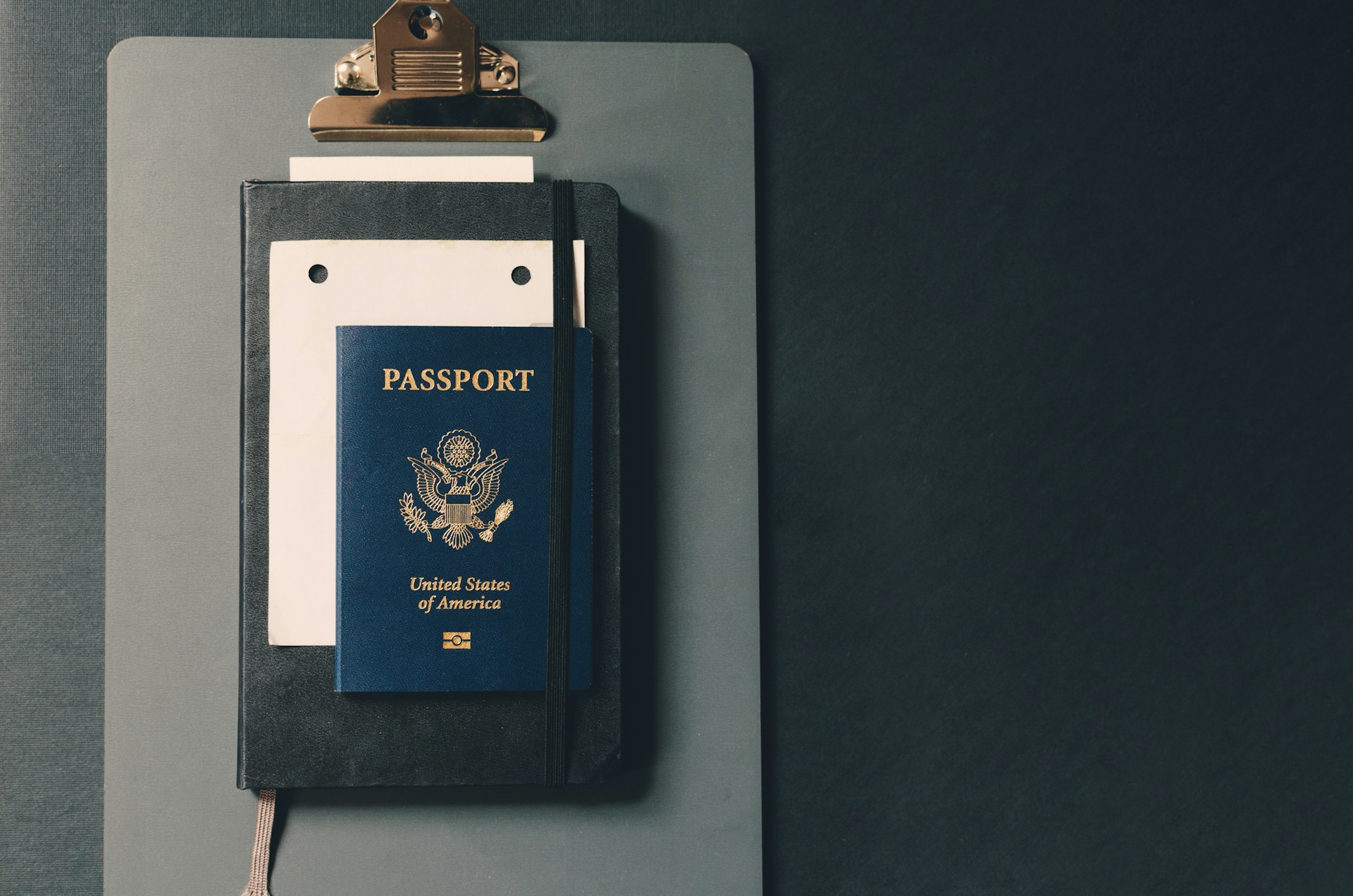
A Skilled Visa That Stalled Over a Birth Certificate
Last winter a software engineer in Melbourne watched his subclass 189 application sit untouched for nine extra weeks. The cause was small. His Vietnamese birth certificate had been translated by a family friend who spoke fluent English but held no formal credential. The case officer asked for a fresh translation. By the time it arrived, his police check had expired and the chain of paperwork unravelled from there.
That kind of quiet collapse repeats every week across Australia. Migration journeys rarely fail on the headline criteria. They stall on the supporting paperwork, and most often on the translations attached to it. Choosing reliable NAATI translation services in Australia early in the process protects every stage that follows. The aim of this guide is simple. Walk you through the document side of an Australian migration plan in the order it actually unfolds, and show you where small habits prevent very expensive delays.
In Short
Document readiness is a five stage exercise that starts with identity papers and ends with health records. A naati certified translation is required for every non-English document at the point of lodgement. Plan four to six weeks of buffer, score yourself before you submit, and treat translation as part of the application, not a last minute task.
Why Paperwork Quietly Decides Visa Outcomes
Visa officers work to a tight evidence framework. When a document arrives that they cannot read, verify or trust, the file moves into a queue for further information. Each loop adds weeks. Public reporting in the Department of Home Affairs annual reports shows that incomplete or unverified documentation is a leading reason applications stall before assessment even begins.
The cost is rarely just time. A delayed lodgement can push you past a partner birthday, a points test cut off, or a state nomination window. The table below sets out what a small documentation slip really tends to cost.
| Issue | Typical Delay | Knock On Effect |
|---|---|---|
| Untranslated supporting document | 4 to 8 weeks | Bridging visa pressure |
| Non NAATI translation submitted | 6 to 12 weeks | Possible refusal or RFI |
| Missing certification statement | 2 to 4 weeks | Re ordering and re uploading |
| Expired police check at lodgement | 8 to 16 weeks | Fresh issuance from origin country |
The Five Document Stages of an Australian Migration Journey
Thinking about paperwork as a single pile is what creates last minute panic. Break it into five stages and the workload becomes predictable. Each stage has its own translation trigger.
Stage 1: Identity Documents
Passports, birth certificates and national ID cards anchor every application. If any of these sit in another language, they need a naati certified translation before lodgement. Do this stage first because errors here cascade into every later form.
Stage 2: Civil Status Documents
Marriage certificates, divorce decrees, change of name records and family registers fall here. Partner and family visas live or die on this evidence. Translations must match the names exactly as they appear on the passport.
Stage 3: Character and Police Documents
Police clearances from every country you have lived in for twelve months or more. These have a real shelf life, usually twelve months from issue. Order translations as soon as the original arrives so the clock does not run out on you.
Stage 4: Skills, Education and Employment
Degrees, transcripts, professional registrations and reference letters. Skills assessments often demand certified translation alongside the original, and the assessing authority sets its own format requirements.
Stage 5: Health and Biometric Records
Vaccination records, medical histories for visas requiring health waivers, and any specialist reports relevant to the case. These often arrive late. Order translations the day they land in your inbox.
Where NAATI Certification Fits Into the Timeline
A naati certified translation is a translation produced by a credentialed naati accredited translator who signs a formal statement of accuracy and applies a verifiable stamp or digital certification. Inside Australia this is the standard Home Affairs expects. Outside Australia, the rules loosen slightly, though using a credentialed provider keeps your file consistent across stages.
The current naati translation requirements accept both physical stamped translations and digital certifications carrying a QR code that resolves to the official NAATI practitioner directory. Either format is valid for most authorities, including state registries, AHPRA and the major universities.
The Document Readiness Scorecard
Run this scorecard a fortnight before your planned lodgement date. If anything sits in the right two columns, push your timeline rather than your luck.
| Area | Ready | Needs Work | Not Started |
|---|---|---|---|
| Originals located and scanned | 3 | 1 | 0 |
| Certified copies prepared | 2 | 1 | 0 |
| Translations ordered or delivered | 3 | 1 | 0 |
| Digital backups stored securely | 1 | 0 | 0 |
| Expiry dates checked across all docs | 1 | 0 | 0 |
Score above eight and you are ready to lodge. Anywhere lower and the file needs another week.
Translation Mistakes That Quietly Sink Applications
The patterns repeat. A bilingual cousin produces a translation in good faith, and the case officer rejects it because no credential sits behind the signature. A scanned page comes through at low resolution and the stamp on the back is unreadable. A document is translated in full but the stamp on the original page is left out, creating a gap that triggers a request for further information.
Specialist document translation services for immigration handle these edges as a matter of routine. Stamps are described in brackets, marginalia is captured, and every page carries the certification block. That kind of finish is what keeps a case officer reading rather than writing.
Australia Compared With Other English Speaking Destinations
If you are weighing Australia against other migration options, the translation rules differ enough to matter. The table below sketches the main contrasts.
| Country | Required Standard | Digital Certification Accepted |
|---|---|---|
| Australia | NAATI credentialed | Yes |
| New Zealand | Recognised translator | Sometimes |
| Canada | ATIO or provincial body | Limited |
| United Kingdom | Sworn or certified | Yes |
Building a Personal Document Vault
A simple folder structure saves hours later. Create one parent folder per applicant. Inside, separate originals, certified copies and translations. Name files with the document type, language and issue date. Keep one cloud copy and one offline copy. If a request for further information lands, the right file sits two clicks away.
It also helps to read through what really happens when an immigration translation gets rejected, so you understand the recovery path before you ever need it.
A Calmer Path to Lodgement
Migration is stressful enough without paperwork acting as the surprise variable. Treat documents as a five stage project, give each stage its own week, score yourself before you press submit, and lean on professional translation services australia wide for anything that has to clear an Australian authority. The application you spend months building deserves a paperwork foundation that holds.
Get the documents right and the dream stops being fragile. The visa decision will still take its own time, but it will not be your translations that hold it up.
Sophie Bennett
Senior Migration Documentation Consultant
Sophie has spent eleven years guiding skilled, partner and student visa applicants through document preparation and certified translation requirements for Australian immigration cases.