
Chinese to English NAATI Translations: What Migrants Should Check Before Lodging
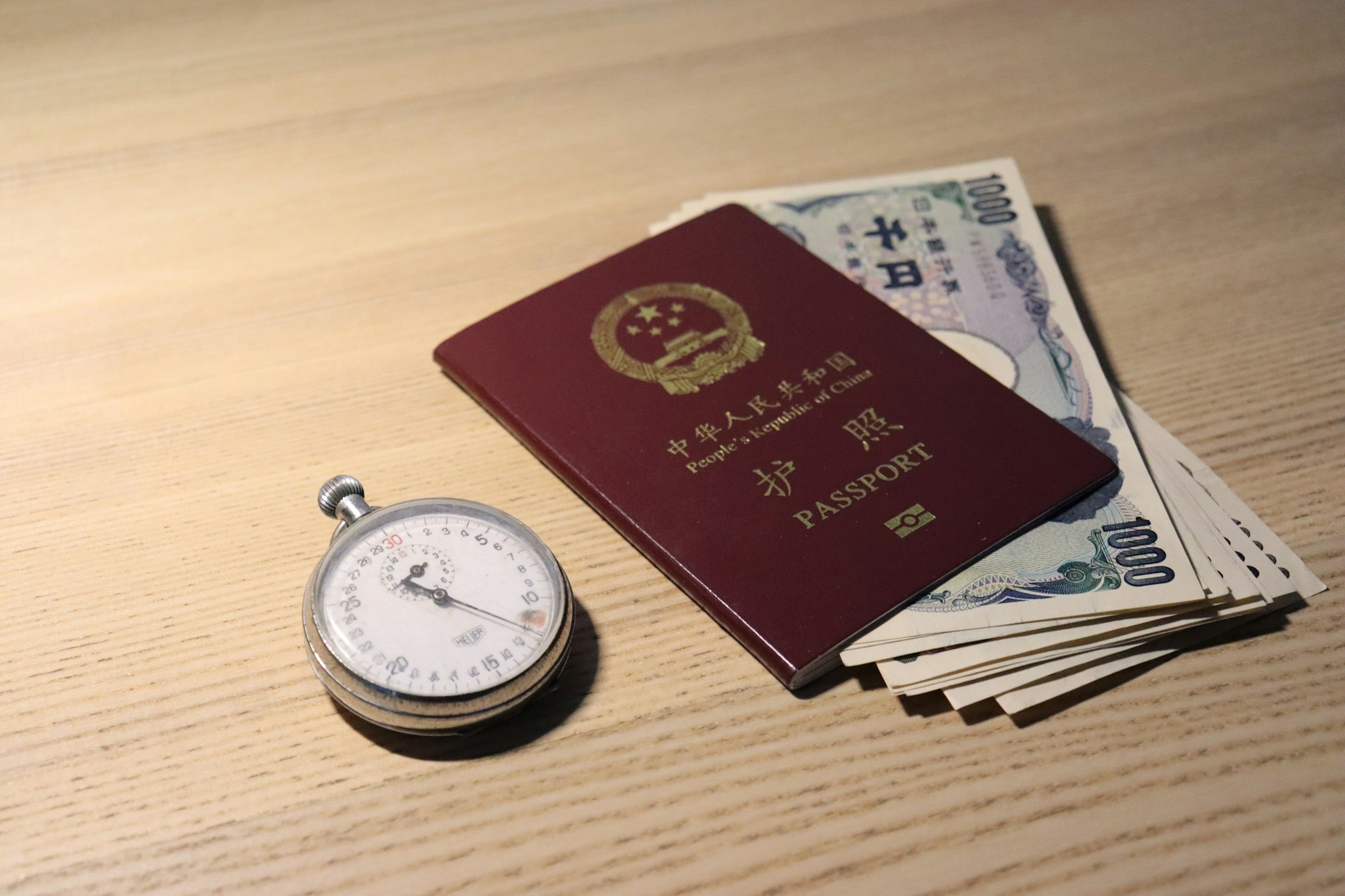
Your passport has your name in English, but the family record beside it may use only Chinese characters. A marriage certificate may show a different spelling, while a household register has several pages that do not look much like a certificate at all. This is where a Chinese to English NAATI translation becomes a practical question rather than a box to tick. Which record does the receiving office want? Which pages belong together? And what should you point out before a translator begins? Start with those questions, not an order for every document you own.
Begin with the Receiving Office
For a visa application, check the instructions for your particular visa and the documents requested for each person. A school, university, licensing body or state registry may ask for something different. A translation conveys what is on the record; it does not replace an original, establish a family relationship by itself or decide whether an authority will accept a document. If the instruction names a birth certificate, do not assume that any document mentioning a birth will serve the same purpose. Check the issuing authority, document title and whether there are attachments.
Make a small list with three columns: the document the recipient names, the record you actually have, and the pages you can supply. This simple comparison catches the awkward cases early. Someone may have an older notarised birth record rather than a newer medical birth certificate. A parent may have a household register with an amendment entry on another page. Where the title or scope differs from the instruction, ask the receiving office what evidence it expects before choosing a translation type.
Australian Certified Translators offers Chinese to English NAATI translation as part of its document translation services across more than 70 languages. The first useful decision is still yours: identify what the recipient has requested, then provide readable copies of the relevant source pages. That keeps the translator focused on the record you need rather than an unrelated pile of paperwork.
A Document Map for Your Next Step
Chinese language records come from different places and serve different purposes. The examples below are prompts for checking your own application, not a universal visa document list. A document from Hong Kong or Taiwan will not necessarily have the same form or issuing office as one from mainland China. Even within a country, older and newer versions can look different. Read the recipient's instructions against the actual document in your hand.
| Record you may have | What to inspect | Question for the recipient |
|---|---|---|
| Birth record or birth certificate | Child and parent names, date, issuer, stamps and any later corrections | Which type of birth evidence is required? |
| Household register | Cover, household details, individual entries and amendment pages | Which pages must accompany this application? |
| Marriage or divorce record | Names, status wording, date, issuer and attached decisions | Is the certificate enough, or is an order also needed? |
| Police or identity record | Identity number, issue date, official seals and reverse side | Does the authority require this particular record? |
| Academic record | Institution, course, grades, dates and supplementary pages | Does the assessor need both a translation and separate verification? |
One translation cannot fill a gap in the underlying evidence. If a household register records a parent and child on separate pages, the recipient may need both entries to understand the connection. If an academic institution requests independent verification, translating the certificate does not carry out that verification. Equally, a translated page should not quietly omit a note because it looks unimportant to the applicant. Let the recipient specify the scope and give the translator the complete material relevant to it.
Why a Birth Record Can Be Less Simple Than It Looks
Imagine a parent arranging documents for a child visa. The passport spells the child's name in Roman letters, while the birth record gives the child's and parents' names in Chinese. The issuing authority's stamp crosses the edge of a printed field. A cropped phone photograph might show the names but lose the seal and registration details. Before paying for translation, lay the whole page flat, photograph it in good light and check whether anything is written on the back. Ask the recipient whether it wants that birth record or another form of proof as well.
For a short, standard record, the site's birth certificate translation service is a relevant starting point. An extract and a full translation cover different amounts of source text, so match the service to what the authority asks for. If the document includes unusual annotations or multiple pages, make those visible before placing the order. Do not presume that a neatly formatted summary will satisfy a request for the full record.
The Name on the Passport Versus the Name on the Record
Chinese characters, Roman letters and names in older records do not always line up in an obvious way. A surname can come before a given name in one document and appear in a different field on an Australian form. Romanisation can also differ across regions and periods. A person may have a former name recorded on a family document. These differences are worth flagging rather than asking a translator to rewrite a source name so every page appears to match.
Put the passport, the Chinese source document and any official evidence of a name change side by side. Tell the translator which spelling appears on the passport, and ask how they will show the name as written in the original. Then check with the receiving authority if it wants additional evidence linking the versions. A translator can make the source legible to an English reader; the recipient decides whether the supporting records establish the connection it needs.
Dates deserve the same attention. Look for an issue date, event date and any amendment date before treating them as one. A document can contain several dates for different reasons. If a stamp or handwritten change is difficult to read, provide a better scan rather than guessing from another form. Small details matter most when the same identity has to be traced across multiple records over time.
Simplified, Traditional and Regional Records
Simplified and traditional characters are writing systems, not a complete description of a document's origin. A record may use traditional characters and still follow a format unfamiliar to someone who mostly handles mainland Chinese certificates. The issuing place, the type of office and the period in which the document was produced can affect its headings and terminology. Send the actual document for assessment instead of ordering a generic “Chinese translation” based only on the language spoken at home.
Seals, margin notes and tables can carry meaning even when much of the page consists of numbers. If a bilingual form already contains English, do not assume its remaining Chinese text can be ignored. Ask the receiving authority whether the bilingual record is sufficient and which portions need a certified translation. This is especially useful with school and academic papers, where a heading may be bilingual but grades or explanatory notes are not.
There is a reason this subject is relevant to many Australian households, though the numbers should not be mistaken for demand for translation. The Australian Bureau of Statistics 2021 Census reports that Mandarin was used at home by 2.7 per cent of Australians and Cantonese by 1.2 per cent. Those figures describe language used at home in 2021. They do not count migrants who need Chinese document translations or predict how many documents any family will submit.
When a Household Register Has More Than One Relevant Page
A household register may have a cover, household information, an entry for each person and pages showing later changes. Someone photographing only their own entry can leave out a page that explains their relationship to another applicant. A cropped image may also remove the page number or official stamp. Keep the sequence intact and note blank backs or amendments if they affect the set. Ask the recipient whether it needs the entire register or particular pages; there is no universal answer for every visa or agency.
For migration document translation, think about the evidence as a chain. The source pages show what the issuing office recorded. The translation lets an English speaking reader inspect that record. Other identity or relationship evidence may be needed to connect it to an application. The translator should not silently repair a gap in that chain, and the applicant should not treat a translated extract as proof that omitted pages were unnecessary. That decision belongs to the receiving authority.
What Home Affairs Says About Translations
Rules need to be tied to the application, not repeated as a blanket promise. In its guidance for family visas, the Department of Home Affairs says to translate all documents not in English. For a translation completed in Australia, include the translator's NAATI practitioner number. For a translation completed outside Australia, include the translator's full name, address, phone number and qualifications. Read the official family visa document guidance together with the checklist for the particular visa you are applying for. Do not infer that every Australian office has identical rules or that a NAATI credential guarantees acceptance.
Certification identifies a practitioner and their translation; it does not correct an incomplete scan, a missing supporting record or an error in your application. If an agent is preparing the submission, give them the source and translated copies so they can check that the right files go to the right places. If you lodge yourself, label the originals and translations clearly. For uncertain requirements, use the receiving office's current instructions rather than a general web article as the final word.
A Final Review Before Uploading
- Compare every name, date and number against the Chinese source and your other identity records.
- Check that all pages the receiving office requested are present, readable and in order.
- Look for a cropped seal, missing reverse side, handwritten amendment or omitted attachment.
- Confirm that the translation includes the practitioner details required for your particular submission.
- Keep the original record alongside the translation when the receiving office asks for both.
If the rest of the application is still taking shape, the related guide to preparing documents for an Australian migration application looks at the wider paperwork journey. This article has a narrower purpose: spotting the Chinese language details that become easy to miss when a file moves between scripts, names and record types. Work from the instruction for your own application and keep the original pages available for comparison.
Questions Migrants Often Ask
Does a bilingual Chinese document still need translating?
It depends on what remains in Chinese and what the receiving authority requires. A bilingual heading does not necessarily translate handwritten notes, seals or the rest of the page. Check the specific instruction.
Can I translate only my page of a household register?
Ask the recipient which pages it needs. A cover, household entry or amendment might explain details on your own page. Keep the register together until the required scope is clear.
What if my English name is spelt differently on another document?
Show the translator the source spelling and your passport spelling, then ask the receiving office whether it needs evidence connecting them. Do not change the source record to make it match.
Does NAATI certification mean a visa will be approved?
No. The translation is one part of the evidence. Home Affairs assesses the application under the requirements for the relevant visa, including documents beyond the translation.
The most useful first move is to name the document, check its pages and read the recipient's instructions. That gives the translator a clear job and gives you a better way to inspect the finished work. It also avoids treating a name mismatch or missing household page as a problem that a certification stamp can solve on its own.

Marcus Thompson
Migration Documentation Specialist
Marcus reviews migration documents and certified translations, focusing on how names, dates and supporting records line up across Australian visa application files.